

Fix and Flip Loans Georgia: Essential 2026 Investor Guide
You've got a contract deadline, a rehab budget that already feels tighter than it should, and a property that looks cheap until you start pricing the roof, HVAC, and everything hidden behind the walls. In Georgia, that's usually the moment conventional financing stops making sense and a short-term investor loan has to carry the deal through acquisition, renovation, and resale. The file moves fastest when the lender can underwrite the property itself, not your W-2, and that's why fix and flip loans Georgia investors use are built around the deal, the exit, and the timeline.
What Fix and Flip Lending Looks Like in Georgia Right Now
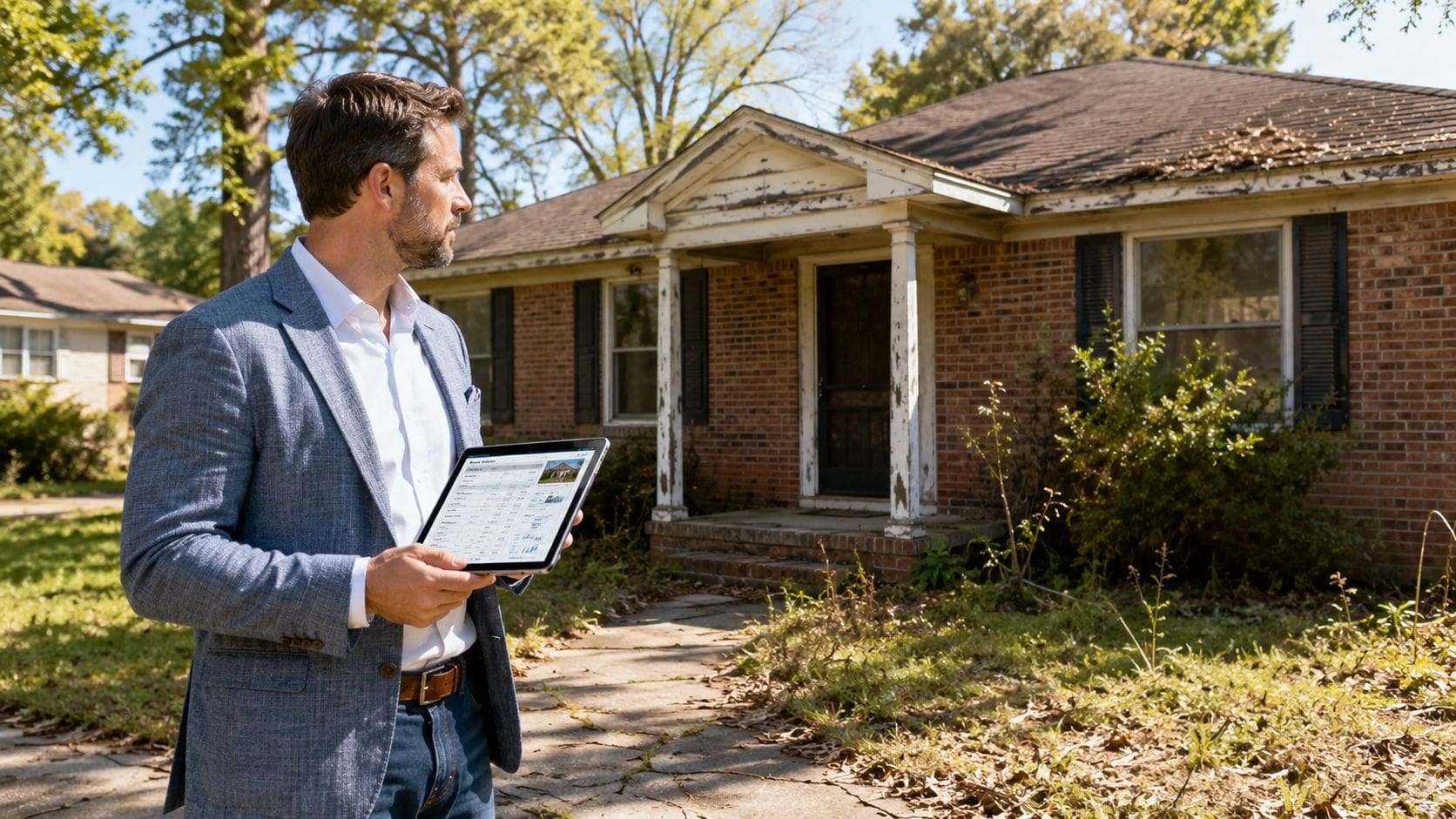
A typical Atlanta-area flip starts with urgency. The seller wants a quick close, your contractor is giving you a rough rehab scope, and you need a lender who can price the risk from the asset and move before the contract expires. That's the core function of Georgia fix-and-flip capital, it gives an investor a way to buy, renovate, and resell without waiting on the slower documentation stack that comes with a conventional mortgage.
Why the structure feels different from a bank loan
These loans are usually short-term, asset-based bridge loans. Lenders focus on the purchase price, the renovation budget, and the projected after-repair value (ARV) rather than borrower income documentation, which is the key difference from a conventional mortgage structure. That matters because a flip is not a long-hold cash flow asset, it's a transaction, and the financing has to match that reality.
Practical rule: if the property can't support the exit, the loan size won't save the deal.
In Georgia, that deal-first underwriting is what makes private capital useful for distressed inventory. A borrower can often finance most of the acquisition and rehab, but only if the numbers leave enough room under the ARV ceiling. That ceiling is usually the actual constraint, not the purchase contract.
Georgia investors also care about speed because holding costs stack up fast while a property sits idle. Short-term bridge capital exists to get you from contract to closing and from rehab to resale without dragging the project into permanent financing territory. That's why the file needs to be clean from day one.
The Core Loan Structures Georgia Investors Use
The right mental model is simple. A flip loan is a short runway product, a DSCR loan is a long runway product, and bridge-to-DSCR sits between them when you want optionality after stabilization. The loan type should match the property's likely end state, not the investor's preferred story about the deal.
Short-term bridge capital for resale
A standard fix-and-flip loan is usually interest-only and often runs around 12 months or shorter. That structure keeps monthly payments lower than amortizing debt, but it also puts pressure on the borrower to finish work, list the property, and exit on time. The clock is part of the economics, not just the paperwork.
That's why these loans are transactional capital, not permanent financing. They're designed to fund acquisition and renovation, then get repaid when the property sells. If the exit drifts, the carrying cost drifts with it.
Bridge-to-DSCR when holding starts to make more sense
Some Georgia investors start with a flip and end up deciding the property is better as a rental. In that case, a bridge-to-DSCR pathway lets the short-term loan transition into stabilized, longer-term DSCR debt once the property is ready and leased. That can save the borrower from scrambling through a new round of bank qualification after the renovation is done.
The best exit is the one you can still execute if the sales market softens.
One practical way to think about it is this. If resale is the cleanest path, you want a standard flip structure. If the property can work as a rental and you want a fallback, you want financing that doesn't trap you at the finish line.
How Lenders Size a Georgia Flip Loan
The first number many investors fixate on is purchase funding. That usually leads them to misread the file. In Georgia, the real sizing question is how much projected exit value the property can support after rehab, because the ARV cap usually binds before the acquisition math does. Lenders commonly advance up to 85% to 92.5% of purchase or loan-to-cost and up to 100% of rehab, but the combined loan is often limited to 70% to 75% of ARV (ARV explains the real ceiling for private lenders).
A simple deal example
Say you're buying a property for $300,000, planning $75,000 in rehab, and expect an ARV of $450,000. The lender may be comfortable with the purchase price and the rehab budget, but the final loan still has to fit under the ARV cap. That means the exit-value estimate, not the rehab budget, usually determines how much money the deal can carry.
| Metric | Typical Georgia Fix and Flip Loan Ranges |
|---|---|
| Purchase / LTC advance | 85% to 92.5% of purchase or loan-to-cost |
| Rehab funding | Up to 100% of rehab budget |
| Combined leverage ceiling | 70% to 75% of ARV |
| Interest structure | Interest-only |
| Typical term | Around 12 months or shorter |
The table shows the part that matters most in underwriting. A borrower can bring a solid purchase contract and a believable rehab budget, yet still get capped because the comp set does not support the ARV. Sold comps carry more weight than an optimistic list price, especially when the property needs a full repositioning.
Rates and fees sit on top of that structure. Georgia market examples often land in the high single digits to the low double digits, with points added at closing, and the total stack has to fit the deal, not just the headline rate. The lender is sizing the file against the ARV ceiling first, then checking whether the cost of capital still leaves enough margin for the flip to work.
Documentation, Application, and the Closing Timeline
A Georgia flip closes faster when the file is tight from the start. Lenders do not want to assemble the deal from scattered emails, missing attachments, and half-finished explanations. They want the contract, the rehab scope, the borrower entity, and the exit logic in front of them so they can decide whether the file fits their box.
The practical standard is simple. A lender can work with a rough property if the paperwork is organized, but even a good deal slows down when the file is incomplete.
What should be ready before the application goes out
Have the purchase contract, scope of work, rehab budget, insurance information, entity documents, and bank statements ready before you submit. Underwriters also want to know how the borrower qualifies, which is why it helps to review hard money loan qualifications before the file goes out. If a lender has to wait on basic documents, the closing clock starts slipping before underwriting really gets moving.
That delay usually shows up in the places investors least want it, title follow-up, insurance corrections, and questions about whether the rehab budget is realistic for the property. A clean package reduces those back-and-forth loops.
How the file usually moves
A clean application can still move quickly. Georgia fix-and-flip lenders commonly advertise closing in as little as two business days on a clean file, while broader programs often report 7 to 14 business days and terms of 12 to 24 months.
The sequence is usually straightforward:
- Initial review. The lender checks the property, the budget, and the expected exit.
- Conditional approval. Any missing items are flagged before final underwriting.
- Third-party work. Title, appraisal, and insurance are lined up.
- Closing. The file moves once the legal and valuation pieces are done.
Each step is only as fast as the weakest document in the file. Clean title helps, but a weak scope of work can still slow the approval if the rehab numbers do not match the condition of the property. A solid entity file helps, but if the exit strategy does not make sense at the current ARV, the lender will keep asking questions.
A useful way to think about speed is that it comes from file quality, not from the loan pitch. If title is clean, the scope is believable, and the borrower's entity is in order, the lender spends less time untangling the file and more time funding it. Investors who prepare the package before they go under contract usually close faster than the ones who start gathering documents after the excitement wears off.
Rural Versus Metro Georgia and How Underwriting Changes
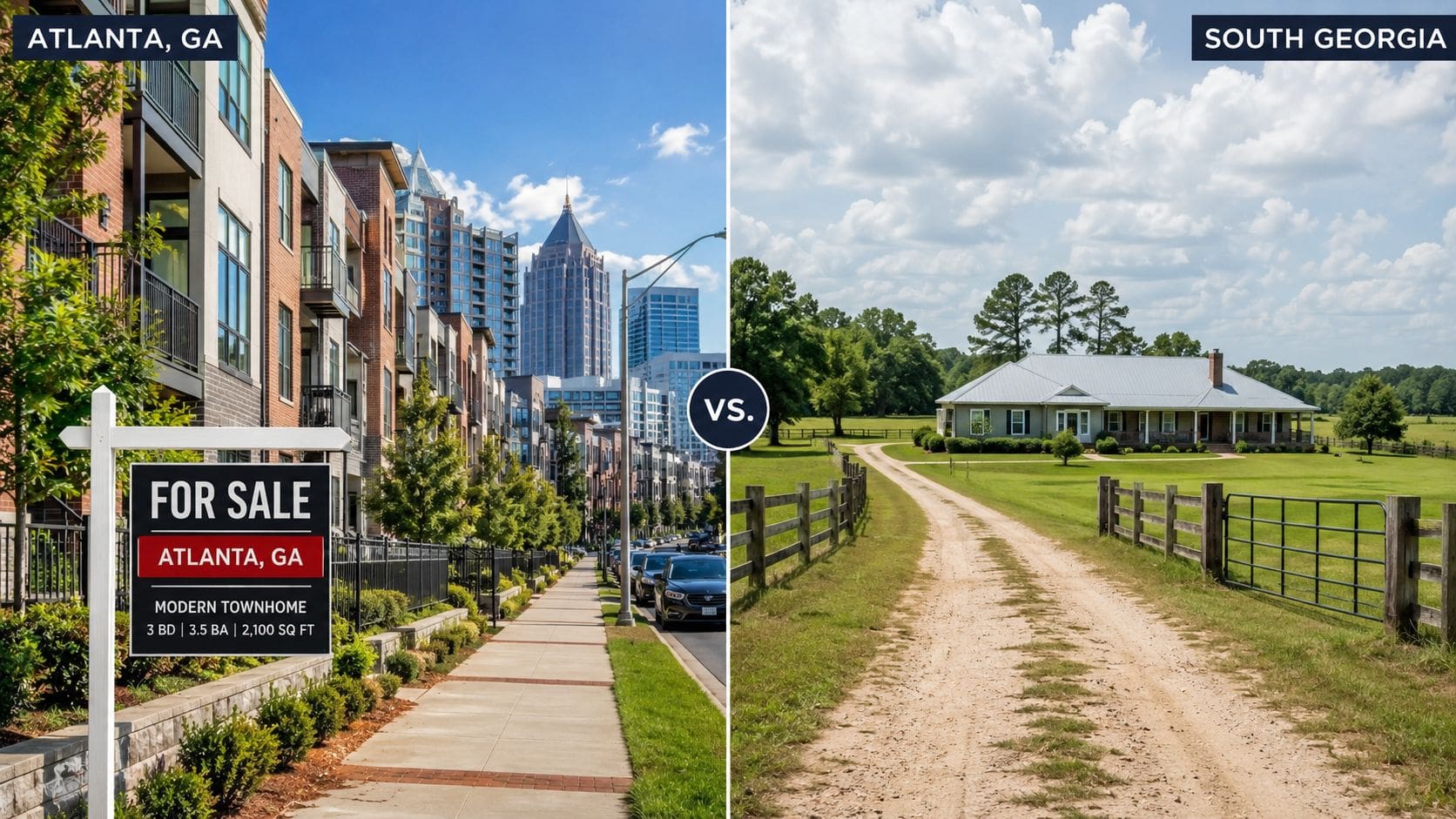
A flip in Atlanta does not underwrite the same way as a flip in a rural Georgia county. The loan may look similar on paper, but the risk changes because comp density, absorption, and buyer depth change with the market. That is where generic fix and flip advice starts to break down.
Metro deals move on comp speed
In metro areas like Atlanta, Savannah, Augusta, and Columbus, appraisers and lenders usually have more nearby sales to work from. That gives the ARV conversation a firmer base and makes the exit timeline easier to model. The deal still has to pencil, but the market gives you more data points and usually more buyer traffic once the property is finished.
Rural flips need more cushion
Rural deals carry more timing risk because there are fewer clean comps and fewer ready buyers. That means the lender has to be more careful with the ARV cap, and the borrower has to be more conservative with hold time, pricing, and repair scope. A deal that looks fine under metro assumptions can get squeezed quickly once the listing sits longer than expected.
A rural property can still work, but the file needs different discipline. Use a conservative comp set, set a realistic list-to-sale assumption, and budget as if the property may sit longer than planned. Investors who apply metro math in rural counties usually find out that time is part of the valuation.
The hold period matters more outside the larger metros. More months on the market mean more interest carry, more exposure to construction delays, and more pressure on the exit buyer pool. If the deal depends on perfect timing, it is already fragile.
For a closer look at how hold time and exit risk shift outside the metros, review rural Georgia flip timelines, then compare that timing against a simple DSCR loan fallback through Sims Ventures DSCR loans in Georgia.
Bottom line: outside the larger Georgia metros, underwrite for slower absorption first, then size the loan. Maximum leverage should never come before the market reality.
Exit Strategy, Total Cost of Capital, and Bridge to DSCR
The loan has to make sense at exit, not just at closing. A flip that looks fine on a spreadsheet can turn negative once you add interest carry, points, extension fees, and a hold that lasts longer than expected. I look at the financing and the exit together because the spread between purchase cost and resale price is only part of the equation.
Three realistic exits
A property can go retail to an owner-occupant, move through another investor channel, or get stabilized and held as a rental. That third path matters more than many first-time flippers expect, because a property that feels tight as a flip may work better as a long-term hold if the rent and basis line up.
A bridge-to-DSCR pathway lets short-term bridge or hard money debt roll into stabilized, longer-term DSCR debt once the property is ready. The investor can convert a flip into a rental without relying on conventional income qualification. That changes the math on marginal deals, especially when the sales market softens but rent demand stays steady. See the bridge-to-DSCR transition and the related DSCR loans in Georgia discussion for how that takeout option fits a held asset.
Why total capital cost beats headline rate
Points and interest do not tell the full story. The cost of capital rises when the project runs long, draws get delayed, or the exit slips by a month or two. Even if the note rate stays the same, the actual dollar cost goes up with every extra month the money stays out.
If the property can support a rental takeout, the structure has more room to breathe. If it cannot, the flip needs to be clean, fast, and conservative from the start. That is the core trade-off. Thin-margin projects survive on disciplined underwriting, not optimism.
Common Pitfalls That Derail Georgia Flip Projects
The same mistakes show up repeatedly. An investor gets excited about the purchase price, assumes the rehab will stay inside the first estimate, and treats the exit as if the market will cooperate on schedule. That is how a deal that looked fine in the spreadsheet turns into a cash drain in real life.

The recurring failure patterns
- ARV overconfidence: The comp set gets stretched to justify a bigger loan and a thinner spread.
- Scope gaps: The contractor bid leaves out hidden costs, which exposes the rehab budget.
- Draw misunderstandings: The investor expects renovation money to show up before the work is verified.
- Bad timing assumptions: The hold period is built on best-case sale timing instead of realistic market behavior.
- Extension blindness: The borrower never priced the cost of extra time, then gets surprised when the project runs long.
Rate pressure makes those mistakes more expensive. Georgia market examples commonly cluster from about 8.75% for seasoned borrowers up to roughly 12.25% in broader market guides, with upfront points often around 1.5 to 3. When those costs sit on a project that is already behind schedule, profit gets squeezed fast.
ARV is where many files break first. If the after-repair value is set too aggressively, the lender bases the loan on a number the market may not support, and the investor inherits the gap at exit. Rural deals magnify that risk because comp sets are thinner and the sale can take longer, while metro deals can still fail when buyers push back on condition, layout, or finish level.
Rehab scope causes a different kind of trouble. The budget usually fails at the edges, not in the obvious line items, and that leaves the borrower short on cash when the project is halfway done. I look for a line-by-line scope that covers permits, contingency, utility work, and the small fixes that do not sound expensive until they stack up.
Timing mistakes are just as damaging. A flip that works on paper can still miss its target if the borrower ignores carry costs, weather delays, permit lag, or a slower resale market. The better habit is to underwrite the project as if the hold takes longer than expected, then decide whether the deal still works with that extra time included.
The fix is straightforward. Keep the rehab scope honest, price the time risk before closing, and leave room for the file to breathe. Investors who do that consistently do not need perfect conditions, they need deals that can survive normal friction.
Putting It Together and Choosing the Right Lending Partner
A Georgia flip can look profitable on paper and still fail in practice if the capital stack is built on the wrong assumptions. The clean way to evaluate it is simple, know the ARV cap, size the deal against 70% to 75% of exit value, match the term to how quickly homes move in that submarket, and decide the exit before the loan closes. If those pieces do not line up, the loan may still fund, but the project can still miss its target.

What a usable lender relationship looks like
A good lender relationship does more than wire funds. It helps the investor pressure-test the deal before the contract becomes a burden, which means the borrower can talk through the rehab scope, the likely hold time, and the fallback exit without getting forced into a generic answer.
Sims Ventures documents $52M+ funded across thousands of investor deals and targets an expedited closing process around 15 days when appraisal, title, and underwriting are complete. It also offers fix-and-flip loans, DSCR refinance, bridge-to-DSCR, and a builder's line of credit, which gives Georgia investors a way to match financing with the actual life cycle of the property.
The practical test is straightforward. If the lender understands the deal, the county, and the exit, the borrower spends less time arguing over financing and more time executing the project. That matters in Georgia, where the better opportunities rarely stay open for long.
A CTA for Sims Ventures.
