
Articles, Advice & Market News
Transform Insight into Profit

DSCR Loan Calculator for Investors: A Complete Guide
You've got a property under contract, or you're close. The rent looks solid. The deal works on paper. Then the financing question hits: will a lender approve it? That's where most investors lose time. They rely on a rough mortgage estimate, ignore taxes or insurance, and assume the property “should qualify.” In DSCR lending, “should”…
What Is ARV? a Real Estate Investor’s Guide for 2026
After-Repair Value, or ARV, is the estimated market value of a property after the work is finished, and many lenders size loans around 70% of ARV. For a fix-and-flip investor, it's the most important number in the deal because it drives your offer price, your rehab budget, your financing options, and whether the project leaves…
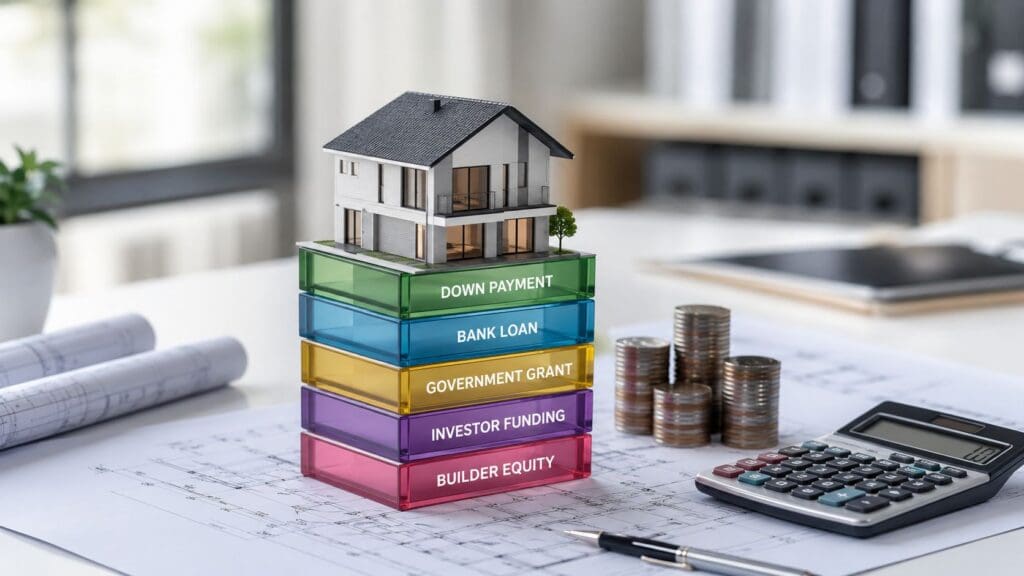
Creative Financing Real Estate: Your 2026 Guide
You're in Atlanta, Charlotte, Greenville, or Dallas. You finally lock up an off-market deal that has room for profit. The seller wants certainty and a fast close. Your bank wants tax returns, updated financials, explanations for deposits, and time you don't have. That's where most investors lose momentum. Creative financing real estate isn't about using…

Fix and Flip Calculator: A Guide to Nailing Your Numbers
You're staring at a property that looks like a flip. The layout works. The street looks solid. The seller sounds motivated. Your gut says there's money here, but your spreadsheet says something else every time you tweak a line. That's normal. A fix and flip calculator isn't just a convenience. It's the line between disciplined…

Fix and Flip Loans for Beginners: Your First Deal Financed
You've probably already found a property that looks like a deal on paper. It's ugly enough that a retail buyer won't touch it, but clean enough that you can see the path: buy it right, renovate it fast, sell it, and move on to the next one. Then the financing problem shows up. The bank…
Ground Up Construction Financing: A Builder’s 2026 Guide
You've got the lot tied up. Plans are done. Your contractor is ready to move. Subs are lined up. Then the financing stalls. That's the point where a lot of good projects get dragged into a process that wasn't built for construction in the first place. A conventional lender wants to look at your tax…