
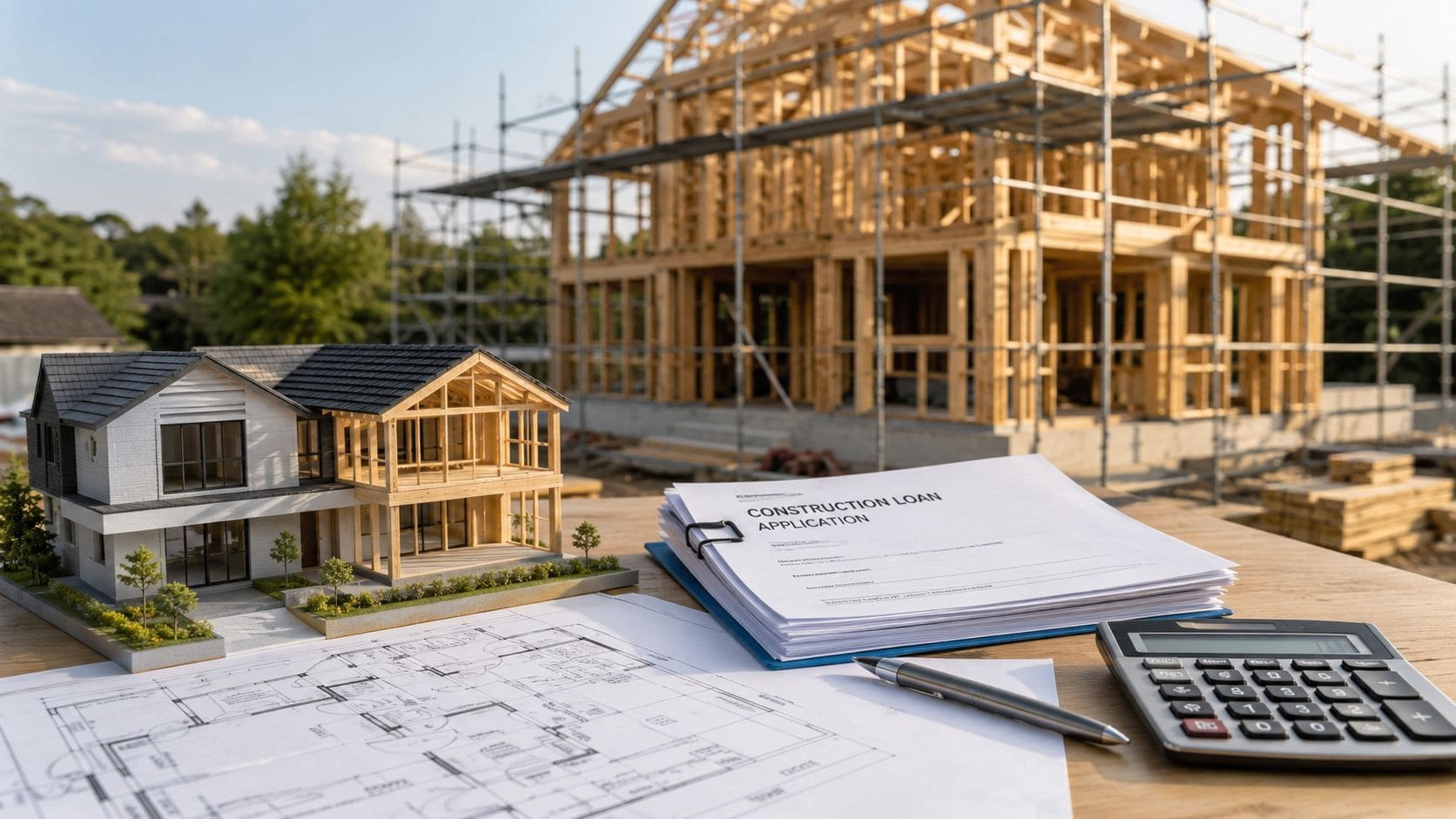
Construction Loan for Investors: Funding Ground-Up Deals
You signed the contract, tied up the lot, and now the clock is louder than the deal sheet. The numbers may work on paper, but if the capital doesn't match the project's timeline, a good build can stall before the first pour. That's where a construction loan for investors stops being a financing checkbox and starts acting like a time-risk decision.
The mistake most investors make is treating it like a bigger mortgage. It isn't. Construction credit lives and dies on draw discipline, completion risk, and the exit you can execute when the project is done.
When a Good Deal Needs the Right Capital
The lot is under contract, the builder is ready, and the permits are moving slower than the seller's patience. That's a common point where investors discover that the wrong capital can kill the right project. A deal can look clean on acquisition day and still fail because the financing doesn't match the build timeline.

A construction loan for investors is built for a property that doesn't exist yet in finished form. That means the lender is really financing execution, not just real estate. The loan has to account for who is building, how the funds will be released, and what happens if the schedule slips.
The real question isn't whether the project pencils at closing, it's whether the project still pencils after delays, inspections, and carrying costs.
That's why this kind of financing behaves differently from a standard mortgage or a short-term rehab loan. Lenders care about how the project will move from dirt to finished asset, then into the next loan or sale. If the exit is fuzzy, the capital usually gets expensive or hard to secure.
Investors who guess wrong often end up with a deal that is underfunded at the exact moment it needs precision. Investors who match the capital to the project profile usually get a cleaner path, especially when the build is tied to a sale or a refinance at completion.
What a Construction Loan Is
A construction loan is a short-term, draw-based facility built around execution. The lender does not fund the full amount on day one. Money is released in stages after defined milestones are completed, so the project has to keep moving before the next draw clears.
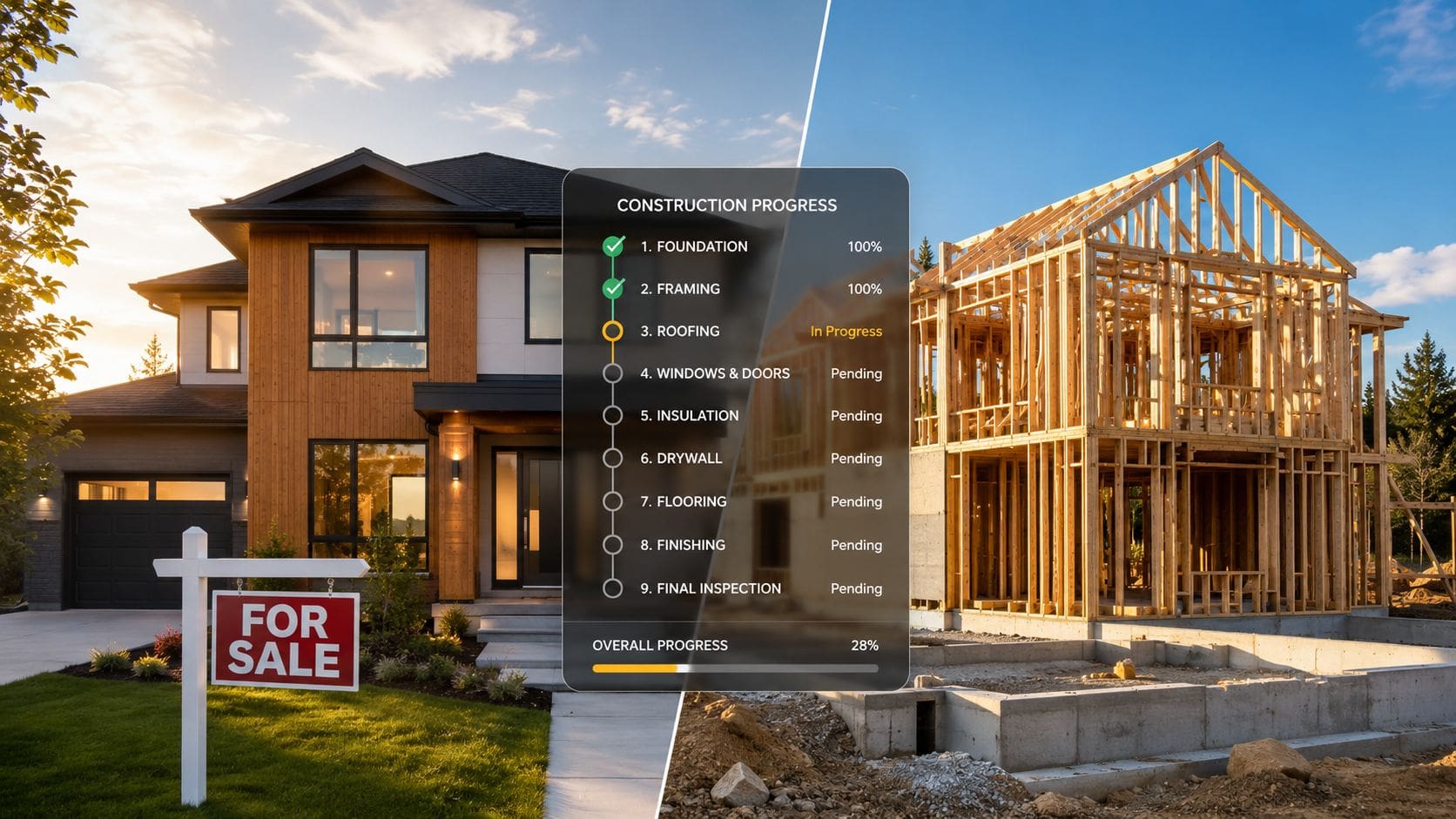
That structure changes the risk profile. A conventional mortgage assumes a finished property and long-term repayment. A rehab loan is usually centered on acquisition plus renovation of an existing asset. A ground-up build starts with no completed collateral, so the lender underwrites the plan, the builder, the draw process, and the exit, not just the purchase price.
Ground-up versus construction-to-permanent
A pure ground-up loan is usually written to get the project built and then paid off through sale or refinance. A construction-to-permanent setup is built to move from the construction phase into long-term debt once the property is ready. That choice changes the file in practical ways, including how much carry the investor needs to survive and how much friction shows up at completion.
If the end game is a rental, the lender may want a path into a DSCR takeout. If the end game is a sale, the underwriting should reflect resale timing instead. Either way, the capital has to match the property's final use, the build schedule, and the way the exit is expected to happen. For investors who want to see how that structure is handled in practice, see how investors structure build-focused financing on the ground-up construction page.
A clean construction file always answers the same three questions, how does the project finish, how does the lender get repaid, and what happens if the schedule slips?
Hard Money, Private, Bank, and DSCR Construction Compared
The right structure depends on the deal profile, not the investor's hopes. A first-time builder in a smaller market, a repeat developer with a strong track record, and a landlord adding to a rental portfolio all need different capital behavior. The label on the loan matters less than how the lender underwrites risk and releases funds.
| Loan type | Underwriting focus | Typical leverage | Best-fit deal |
|---|---|---|---|
| Hard money | Asset, speed, and exit | Varies by file | Fast-moving projects with clear collateral and a near-term exit |
| Private lender | Deal quality, sponsor strength, and draw control | Flexible by project | Investors who need fast closes and custom structure |
| Conventional bank | Borrower history, documentation, and more formal process | Usually more conservative | Strong files with time to wait and a conventional exit |
| DSCR construction | Project performance and finished cash flow | Tied to completed property economics | Rental-focused builds that will refinance into income-based debt |
The key difference is how much weight goes to the borrower versus the project. Bank files tend to be slower and more document-heavy. Private lending is usually more flexible, but that flexibility comes with tighter attention to execution and repayment path. DSCR-style construction works best when the finished property can support itself through rent, not when the borrower is relying on personal income to carry the whole file.
Where each one wins or breaks
A hard-money structure can be useful when the deal is time-sensitive and the exit is obvious. It can break when the project needs longer construction time or more nuanced draw management.
A private construction facility works better when the sponsor brings reserves, a coherent budget, and a clean exit. It breaks when the borrower assumes the lender will solve bad planning.
A bank loan can fit a borrower with time and documentation. It struggles when the deal needs speed or the file has unusual variables.
A DSCR construction path fits a finished rental story. It fails when the property won't stabilize into cash flow quickly enough.
Sims Ventures combines several of these paths under one umbrella, including ground-up construction loans, DSCR refinance and purchase loans, and bridge-to-DSCR pathways, which can matter when one project needs a build loan and a separate takeout later.
Read the hard money versus private lending guide for a useful framework on where speed matters and where structure matters more.
How Underwriting, LTC, and Draw Schedules Work
A project can look strong on paper and still stall if the lender cannot see how the work gets funded in order. That is why a ground-up file gets judged through loan-to-cost, or LTC, and through the timing of each draw, not just through the finished value. The lender wants a budget that holds together, a builder who can execute it, and a completion path that does not rely on hope.
Why cost matters more than headline value
A lender is asking a simpler question than most borrowers expect, “What does it take to finish this safely?” That question puts real weight on the budget, the builder's experience, and the borrower's reserves. A seasoned sponsor usually has an easier time because the file shows less guesswork, while a newer investor often needs tighter numbers and more proof that the project can absorb setbacks.
The property's future value still matters, but only after the lender is comfortable that the project can reach that point. If the cost stack is thin, the schedule is unrealistic, or the contractor plan is shaky, the finished value does not save the deal. That is the time-risk side of construction lending, the project has to survive the carry period, the draws have to match the work, and the exit has to be lined up before the last invoice hits.
Draws are usually tied to inspections. Funds are released after the lender or inspector confirms that a stage is complete, not because the calendar says it should be done. Foundation, framing, rough-ins, drywall, and finishes often become the checkpoints, depending on how the loan is structured.
What slows a draw
A contractor can ask for money and still wait. If the phase is not complete, if the invoice does not line up with the work performed, or if a punch-list item still needs correction, the release can stop there. That frustrates borrowers who expect the loan to track the contractor's pace, but the lender is protecting the project from paying ahead of actual progress.
Keep more liquidity than you think you need. The build budget is not the same thing as the cash you will need to survive the build.
Interest reserves and a contingency budget are part of that survival plan. They give the project room when weather, trades, or inspection timing slows the job. This draw schedule guide clarifies the sequence lenders require versus the sequence contractors often describe, which helps an investor see where the cash has to sit and when it can move.
The strongest files are the ones that make the lender's job easy to follow. Clean budget. Clean milestones. Clean exit. If any one of those is fuzzy, the draw process will expose it quickly.
The Step-by-Step Path From Application to First Draw
A smooth closing starts before the lender asks for anything. The investor who shows up with a complete file usually moves faster than the investor who keeps sending pieces one by one. That's especially true when the property, the builder, and the exit are all part of the same timeline.
The basic package should include the purchase contract, plans and specs, a budget that separates hard and soft costs, the builder resume, title work, and a short memo on the exit strategy. Those documents let the lender judge whether the project is buildable, financeable, and likely to refinance or sell without drama.
What slows the file
Permits can lag. Environmental issues can create extra review. Appraisals can drag, especially if the project is unusual or the market is thin. Any one of those can push a deal past the original target date if the investor waited too long to start lender conversations.
A lender that targets an expedited close can only be fast if the third-party pieces are already in motion. Sims Ventures commonly targets about 15 days for closing when appraisal, title, and underwriting are complete, which is really just another way of saying the file has to be ready before the clock starts.
The sequence usually looks like this:
- Initial review of the deal and exit.
- Term sheet or preliminary structure.
- Underwriting and third-party checks.
- Closing preparation.
- First draw setup after work begins.
That's the version investors need to plan around, not the simplified version that assumes capital appears the moment the contract is signed.
Risks, True Costs, and Exit Strategies
Construction lending is unforgiving because failed projects are expensive to unwind. The FDIC's research on construction-loan losses found a mean loss-given-default of 56.7% and a median of 62.4%, which means lenders often recover only a little over one-third of principal when a construction loan fails. The same study shows that construction-loan loss rates can spike sharply in stress periods, with one cited peak at 16.8%, while single-family construction loans peaked at 8.1% and other commercial real-estate categories peaked below 5%. Those numbers are a reminder that execution risk is not theoretical. FDIC construction-loan loss research
What that means for the investor
The lender's risk shows up as your cost of capital. Time risk is the big one. If permits drag, if inspections get delayed, or if materials arrive late, the project can run into extension fees, extra interest, and a worse refinance environment at completion.
Lot carry is another quiet leak. Taxes, insurance, utilities, and interest-only carry all add weight while the property is still unfinished. A project can be budgeted correctly and still miss the mark because the calendar stretched longer than expected.
The exits that actually work
A clean sale to an end buyer works when the market can absorb the finished house quickly and the product matches demand.
A refinance into DSCR debt works when the completed property will hold as a rental and the cash flow is strong enough to support the takeout.
A portfolio hold or builder line of credit works when the investor is moving multiple projects and needs capital recycling instead of a one-off close-out.
The cheapest rate is not always the cheapest deal. A slightly higher-cost structure can be the better move if it closes faster, protects the timeline, and gives you a cleaner exit.
Matching the Lender to the Investor Profile
A self-employed borrower doesn't need a lecture about tax returns being messy. They need a lender that can evaluate the deal on property performance and sponsor strength. That's where DSCR refinance and purchase loans, cash-out refinances, and asset-based structures usually fit better than a conventional income file.
First-time builders are judged differently. Lenders look for prior experience, liquidity, and a file that doesn't depend on perfect conditions. A stronger budget and a simpler project often matter more than trying to force maximum borrowing on a first build.
Repeat flippers moving into ground-up work need a lender that understands transition risk. A fix-and-flip loan may fund the acquisition and rehab stage, but a true build needs milestone draws and a tighter focus on completion sequencing. Portfolio landlords, meanwhile, often care most about reuse of capital, so a bridge-to-DSCR or cash-out path can matter more than the initial rate sheet.
Sims Ventures fits into that mix as one option for investors in GA, NC, SC, and TX who want a private capital relationship around rental financing, fix-and-flip work, and ground-up construction. The firm also notes $52M+ funded, which is a useful signal of process capacity, but the value to an investor is whether the lender's underwriting matches the deal's actual exit.
Match the loan to the project's next step, not just the current phase. That's where a lot of investor files get mispriced.
A 30-Day Readiness Checklist Before You Apply
Start with the deal thesis. If the exit is unclear, fix that before you ask for capital. Then separate hard costs, soft costs, and contingency money so the budget reflects the project instead of the optimistic one.
Line up the builder resume, plans, permits, title work, and liquidity documentation. That makes the underwriting cleaner and reduces the back-and-forth that slows down closings.
- Tighten the exit memo. State whether the project ends in sale, DSCR refinance, or portfolio hold.
- Clean the budget. Show hard costs, soft costs, and reserves separately.
- Gather sponsor documents. Builder experience, liquidity, and property details should be ready before the first call.
- Start lender conversations early. A fast close only works when appraisal and title are already moving.
- Stress-test the timeline. Assume inspections and permits may take longer than you want.
Bring a deal that is ready, not a deal that is hoped for. That's the difference between a smooth draw-based file and a project that keeps asking the lender to solve preventable problems.
Sims Ventures works with investors who need private capital for ground-up construction, rental financing, fix-and-flip projects, and bridge-to-DSCR execution. If you've got a build that needs draw discipline and a real exit plan, visit Sims Ventures and bring the file that's ready to move.
